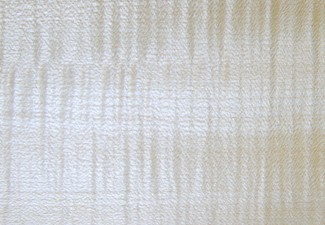
Curly wood shows regular waves that create shifting reflections. This figure comes from fibres that undulate...

-
Home
-
-
Home
Design and making of wooden objects
Solid wood or wood veneer, with the same aim: purity of line and contrast between materials.
Nothing superflu — only well-balanced forms, the colour of each wood species and the texture of the wood beneath your hand.
-
-
-
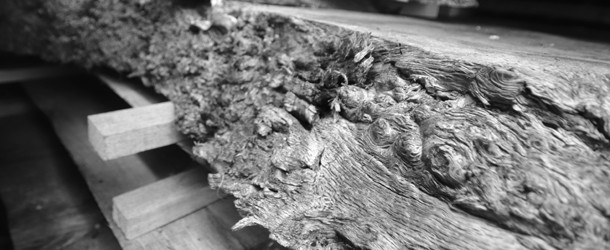
Solid wood platters
-
-
-
The woodshop
-
-
The Atelier of Travers
Here, everything comes to life
L’Atelier de Travers was born from a dual heritage: graphic design and woodworking.
I brought these two worlds together in this cabinetmaking workshop, based in Travers, the hamlet where I grew up.
-
-
-
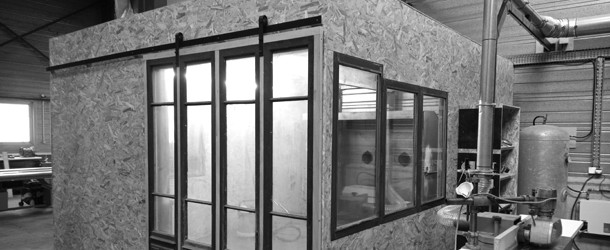
The Travers Woodshop
-
-
-
The Boutique
-
-
The Travers Workshop Boutique
A chance to treat yourself
This is where all our creations are available for purchase: unique pieces, imagined, designed, and handcrafted in our workshop.
Shipping is fast and carefully handled, using custom-made transport crates.
-
-
-
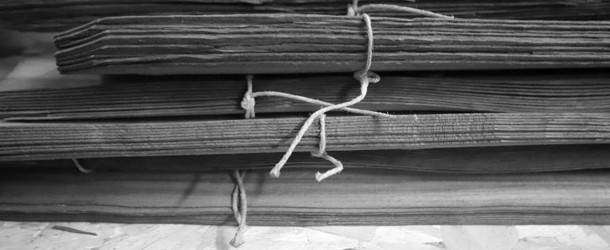
Pack of wood veneer sheets
-
-
-
The blog
-
-
The Woodshop Blog
Wood in detail
A space dedicated to wood species, cabinetmaking techniques and finishing products.
Through our articles, discover the characteristics of wood, our working methods and the products used in the workshop. Practical information to better understand the material and how it is worked.
-
-
-
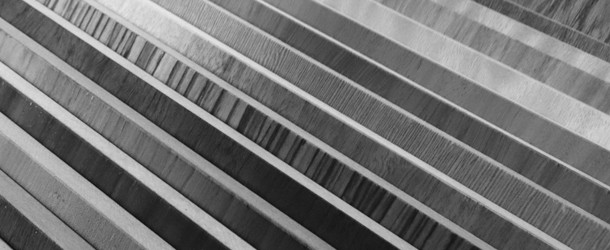
Wood veneer samples
-
-
-
Contact
-
-
Contact
We are here for you
For any information request, order confirmation, or simple question, feel free to use our contact form.
Our team is committed to responding as quickly as possible and providing you with a clear and personalized solution.
-
-
-
Drafting table
-
-
Blog categories
Blog Search
Latest posts
-
 Curly Wood (Fiddleback)Read more ...
 -
 Burl WoodRead more ...
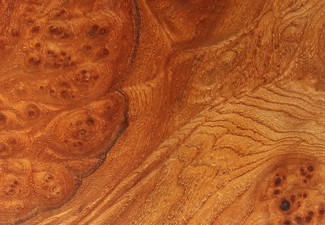
Burl wood is a natural outgrowth formed by dormant buds, creating a swirling and shimmering figure highly prized in...
-
 Wenge (Millettia laurentii)Read more ...
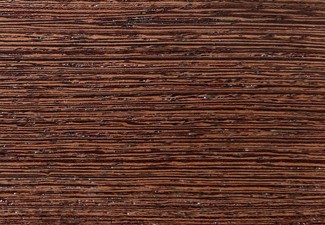
Wenge (Millettia laurentii) is an African exotic wood with a very dark brown colour. Dense, stable and highly...
-
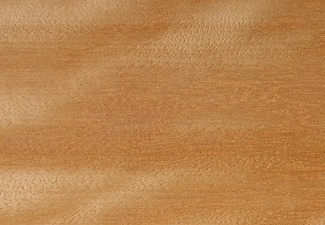 Ceylon Satinwood (Chloroxylon swietenia)Read more ...
Ceylon satinwood (Chloroxylon swietenia) is a precious wood valued for its golden-yellow colour with subtle brown...
-
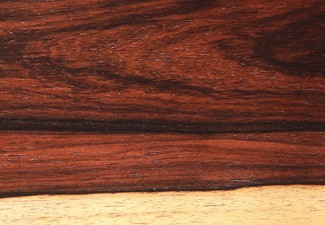 Rio Rosewood (Dalbergia nigra)Read more ...
Rio rosewood (Dalbergia nigra) is one of the most prestigious and sought-after woods in the world, renowned for the...
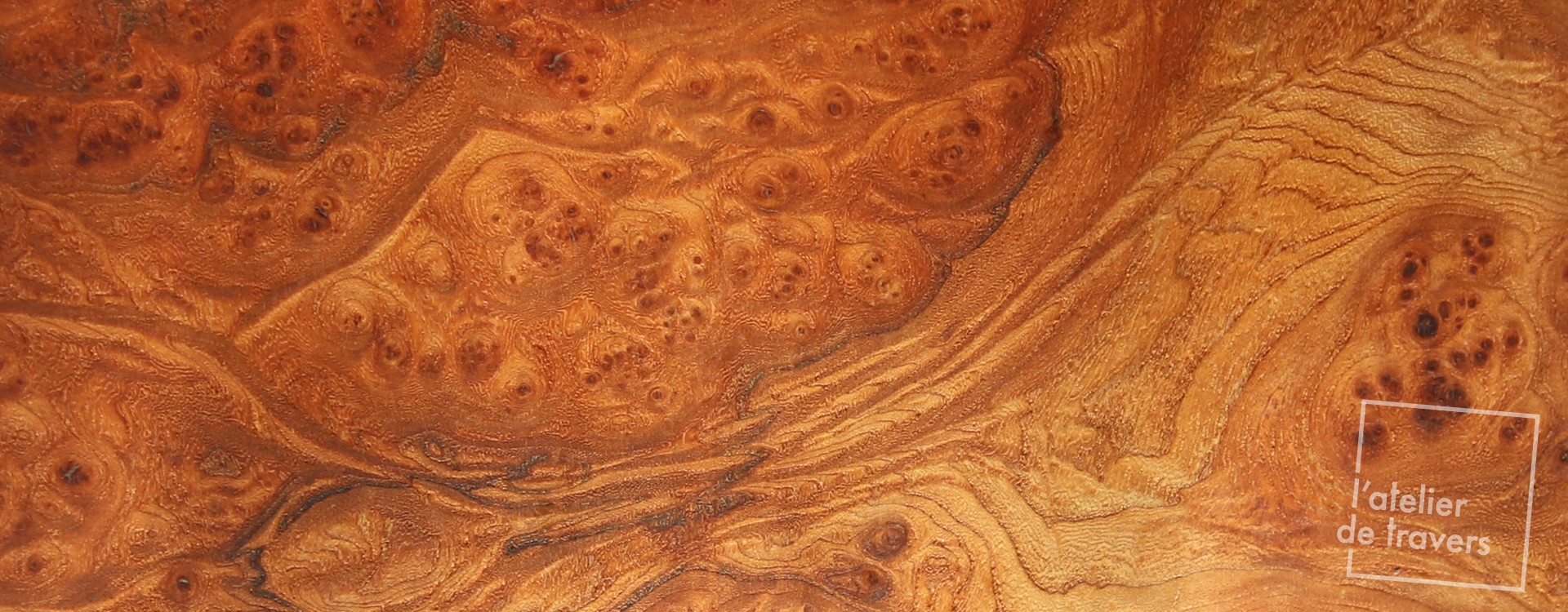
Burl Wood
Burl wood is a natural outgrowth from the trunk or roots, caused by the uncontrolled proliferation of dormant buds beneath the bark. Instead of developing into branches, these buds remain embedded in the wood and form a mass of twisted, interwoven fibres, creating a lively, irregular pattern. When cut, the burl reveals a figure of “eyes” or swirling motifs, often shimmering, giving the wood a highly sought-after three-dimensional depth.
Not all species produce burls. Their formation depends on both biological factors (species, genetics) and environmental factors (stress, injury, frost, fungi, insects). Some species naturally tend to produce them, while others almost never do. Among the best-known are walnut burl, elm burl, poplar burl, amboyna burl and thuya burl, as well as rarer examples from ash, alder, maple, birch, olive and oak. More occasionally, species like mahogany, plane tree, myrtle or rosewood can also develop burls.
In fine woodworking, burl is considered one of the most precious wood figures. Its aesthetic value depends on the fineness of the pattern, the density of the “eyes”, the depth of its chatoyance and its natural colour. Some burls—especially thuya or amboyna—are extremely prized but also fragile and difficult to veneer, which increases their rarity and value. European burls, such as walnut, elm or poplar burl, are commonly used for furniture panels, dashboard veneers, jewellery boxes and traditional furniture, while exotic burls are mainly used in luxury marquetry and art furniture.
Thus, the burl—far from being an unsightly anomaly—is a spectacular manifestation of nature, transformed by the artisan into a material of exceptional beauty, combining complexity, refinement and rarity.
Posted in:
Wood figure patterns
Related posts
-
Curly Wood (Fiddleback)
Curly wood shows regular waves that create shifting reflections. This figure comes from fibres that undulate...
Leave a comment