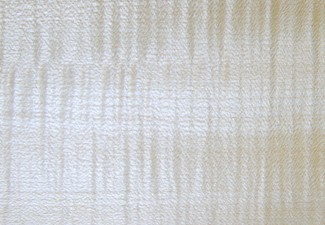
Curly wood shows regular waves that create shifting reflections. This figure comes from fibres that undulate...

-
Home
-
-
Home
Design and making of wooden objects
Solid wood or wood veneer, with the same aim: purity of line and contrast between materials.
Nothing superflu — only well-balanced forms, the colour of each wood species and the texture of the wood beneath your hand.
-
-
-
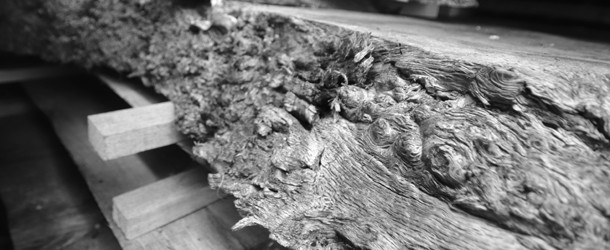
Solid wood platters
-
-
-
The woodshop
-
-
The Atelier of Travers
Here, everything comes to life
L’Atelier de Travers was born from a dual heritage: graphic design and woodworking.
I brought these two worlds together in this cabinetmaking workshop, based in Travers, the hamlet where I grew up.
-
-
-
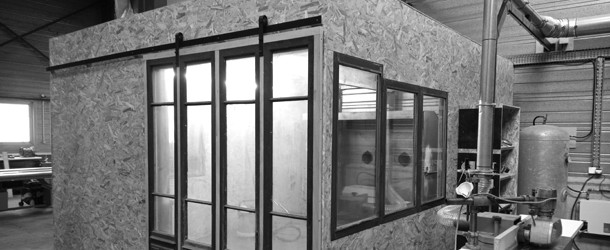
The Travers Woodshop
-
-
-
The Boutique
-
-
The Travers Workshop Boutique
A chance to treat yourself
This is where all our creations are available for purchase: unique pieces, imagined, designed, and handcrafted in our workshop.
Shipping is fast and carefully handled, using custom-made transport crates.
-
-
-
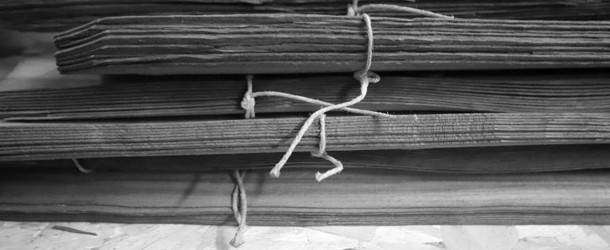
Pack of wood veneer sheets
-
-
-
The blog
-
-
The Woodshop Blog
Wood in detail
A space dedicated to wood species, cabinetmaking techniques and finishing products.
Through our articles, discover the characteristics of wood, our working methods and the products used in the workshop. Practical information to better understand the material and how it is worked.
-
-
-
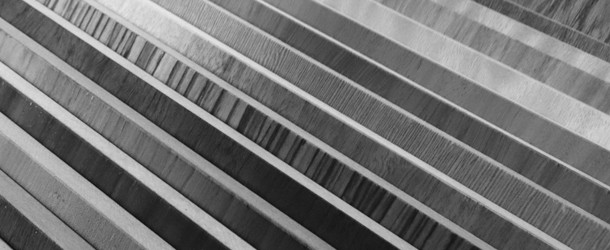
Wood veneer samples
-
-
-
Contact
-
-
Contact
We are here for you
For any information request, order confirmation, or simple question, feel free to use our contact form.
Our team is committed to responding as quickly as possible and providing you with a clear and personalized solution.
-
-
-
Drafting table
-
-
Blog categories
Blog Search
Latest posts
-
 Curly Wood (Fiddleback)Read more ...
 -
 Burl WoodRead more ...
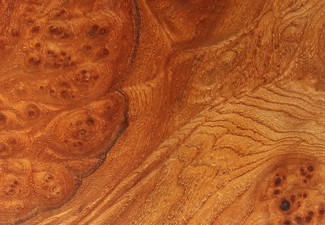
Burl wood is a natural outgrowth formed by dormant buds, creating a swirling and shimmering figure highly prized in...
-
 Wenge (Millettia laurentii)Read more ...
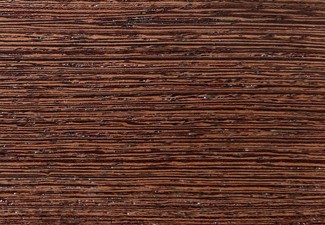
Wenge (Millettia laurentii) is an African exotic wood with a very dark brown colour. Dense, stable and highly...
-
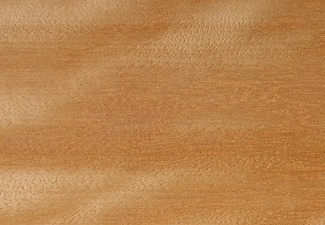 Ceylon Satinwood (Chloroxylon swietenia)Read more ...
Ceylon satinwood (Chloroxylon swietenia) is a precious wood valued for its golden-yellow colour with subtle brown...
-
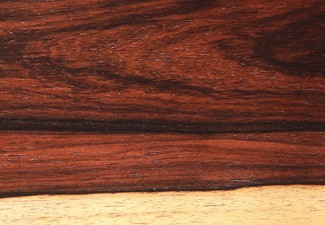 Rio Rosewood (Dalbergia nigra)Read more ...
Rio rosewood (Dalbergia nigra) is one of the most prestigious and sought-after woods in the world, renowned for the...
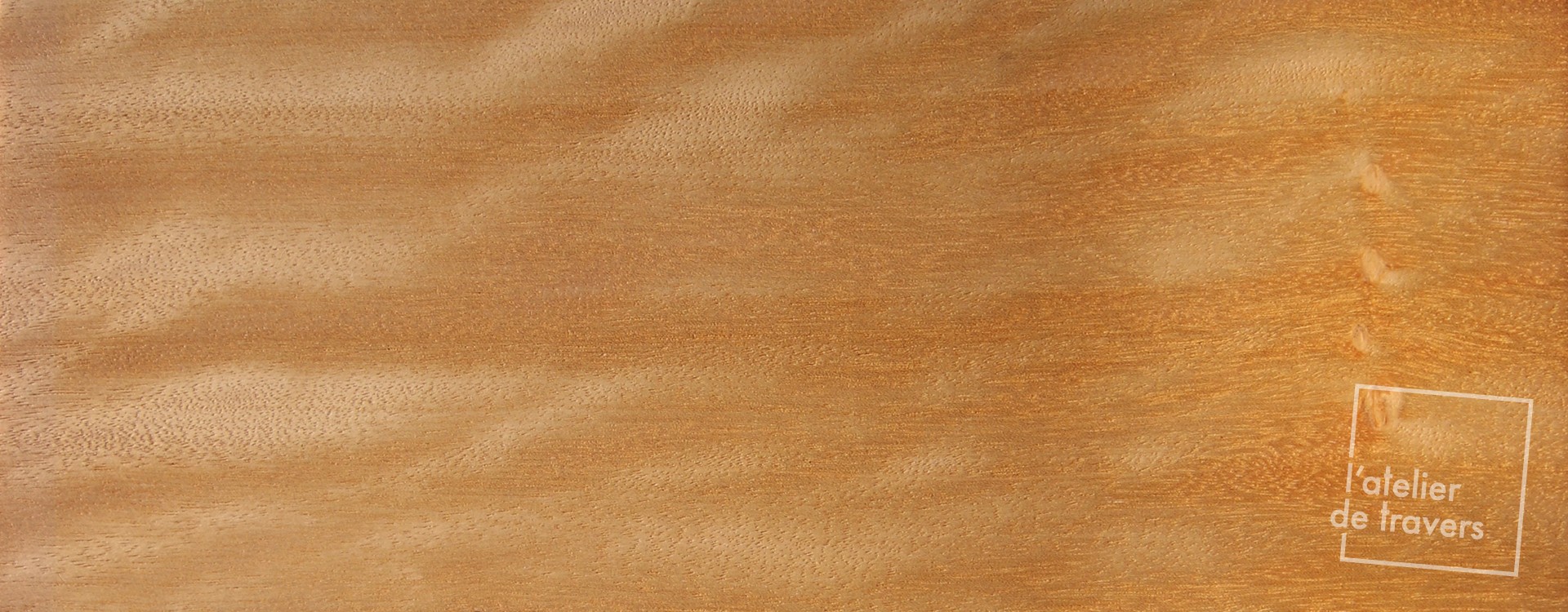
Ceylon Satinwood (Chloroxylon swietenia)
Ceylon satinwood (Chloroxylon swietenia), sometimes called East Indian satinwood, is a rare and refined species native to Sri Lanka and southern India.
Its visual appeal lies in its golden to honey-yellow colour and its strong natural lustre, which give it an elegant chatoyance. Its very fine grain and its often mottled or wavy figure reveal, once polished, a satin-smooth and luminous surface of great decorative richness. When worked, it releases a light, lemony scent.
This dense and uniform wood works with great precision and is ideally suited for high-end furniture veneer, marquetry and small fine cabinetmaking pieces.
Since the trees are of small diameter, it is mostly used as veneer rather than solid wood. Sourced today from limited supplies, it is distributed in small quantities by specialised dealers.
Ceylon satinwood is also appreciated for the quality of its finish: it takes varnish, shellac and polish exceptionally well, revealing remarkable depth of colour.
Its price varies according to figure and veneer quality, from €45 to €90 per m² for standard grades, up to €180 to €250 per m² for rare figured lots. Admired for its brilliance and natural refinement, it remains a prized and sought-after species in fine furniture and bespoke craftsmanship.
Characteristics:
- Colour: light yellow to golden amber, darkening slightly with age.
- Appearance: very high natural lustre, marked chatoyance (satin/moire effect), often wavy, pommele or moiré figure in veneer.
- Grain & texture: grain often mottled or interlocked, very fine and even texture.
- Scent: faint lemony aroma when worked (hence its name).
- Density: hard and compact wood (approx. 750–900 kg/m³ at 12% MC).
Posted in:
The Different Wood Species
Related posts
-
Rio Rosewood (Dalbergia nigra)
Rio rosewood (Dalbergia nigra) is one of the most prestigious and sought-after woods in the world, renowned for the...
Leave a comment